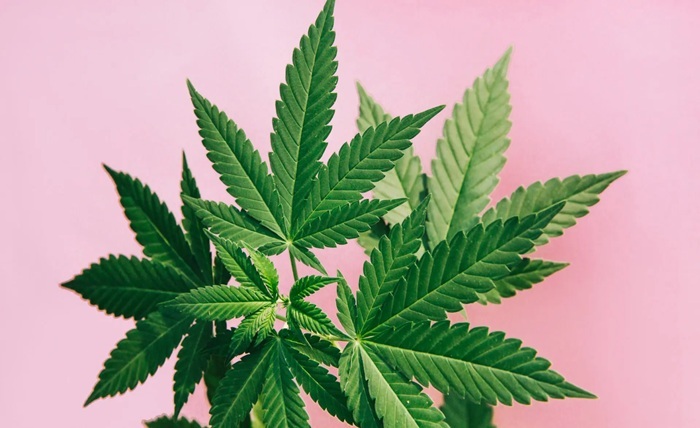
Cannabis culture has come a long way from the “more is more” mentality. These days, a growing number of people are deliberately choosing less—smaller, controlled doses that offer the benefits of cannabis without the overwhelming high. This practice is called microdosing, and it’s quietly becoming one of the most talked-about trends in the wellness space.
But what exactly is microdosing? How does it work, and is it right for you? This post breaks down everything you need to know—from the science behind low-dose cannabis to practical tips for getting started.
What Is Cannabis Microdosing?
Microdosing means consuming very small amounts of cannabis—just enough to feel a subtle effect, but not enough to get noticeably high. The idea is to stay functional. You want to take the edge off anxiety, ease mild pain, or sharpen your focus without losing your ability to drive, work, or hold a conversation.
There’s no universal definition of a “microdose,” but most people land somewhere between 1–5mg of THC per dose. For context, a standard recreational edible might contain 10mg or more. So a microdose is often a fraction of what you’d find in a typical product.
The principle isn’t new. Microdosing has been practiced with other substances—most notably psychedelics like psilocybin—for years. Cannabis is simply the latest frontier.
Why Are People Turning to Low-Dose Cannabis?
The reasons vary widely, but a few themes keep coming up.
Managing anxiety without the paranoia. Higher doses of THC are well-known for triggering anxiety, especially in people who are new to cannabis or sensitive to it. Low doses, on the other hand, may actually reduce anxiety—flipping the effect entirely. Many users report feeling calmer and more centered without the racing thoughts that can come with stronger doses.
Boosting focus and creativity. Some people microdose specifically to enhance their mental performance. A small amount of THC can loosen up rigid thinking patterns, making it easier to brainstorm, problem-solve, or stay present in a task. It’s subtle, but users often describe it as removing a kind of mental “static.”
Pain and inflammation relief. Chronic pain sufferers are increasingly exploring microdosing as a way to manage discomfort throughout the day without feeling sedated. This is especially appealing for people who need to stay active or alert at work.
Better sleep without the grogginess. High doses of cannabis before bed can leave some people feeling foggy the next morning. A smaller dose may ease the transition into sleep without that heavy, next-day slowness.
The Science Behind It
Here’s where things get interesting. Cannabis affects the body through the endocannabinoid system (ECS)—a complex network of receptors that helps regulate mood, pain, sleep, and immune function. THC binds to receptors in this system, producing its psychoactive and therapeutic effects.
Research suggests that THC follows a biphasic dose-response curve. That’s a fancy way of saying low doses and high doses can produce opposite effects. At low doses, THC may reduce anxiety and promote calm. At higher doses, it can trigger the very anxiety it might otherwise relieve.
This biphasic relationship is one reason microdosing has gained scientific credibility. It’s not just anecdotal—there’s a real biological mechanism at play.
How to Start Microdosing Cannabis
Getting started doesn’t have to be complicated, but it does require some patience. Here’s a straightforward approach:
Start low and go slow
Begin with the lowest possible dose—around 1–2.5mg of THC. Give it time to take effect before adding more. If you’re using edibles, wait at least 90 minutes before reassessing. Edibles metabolize slowly, and jumping the gun is how people end up far higher than intended.
Keep a journal
Track how you feel before and after each dose. Note the time, the product, the dose, and your experience. Over time, patterns will emerge. You’ll start to identify your “sweet spot”—the dose that provides benefits without unwanted side effects.
Choose the right product
Edibles are a popular choice for microdosing because they’re easy to dose consistently. Products like Tre House THC gummies, for example, are often designed with measured doses that make it simple to start small and stay precise. Tinctures are another good option, as they typically come with droppers that allow for fine-tuned control.
Smoking and vaping are harder to dose accurately, but they do offer faster feedback—which can be useful when you’re still figuring out your threshold.
Be consistent
Microdosing works best when it’s part of a routine. Many users dose once or twice a day at consistent times—morning and early afternoon are common. Taking breaks (sometimes called “tolerance breaks”) is also a good idea to prevent your ECS from adapting to the THC.
Common Mistakes to Avoid
Even with a low-dose approach, there are pitfalls worth knowing about.
- Dosing too frequently. Taking multiple small doses throughout the day can add up quickly, leading to more of an effect than intended.
- Skipping the tolerance break. Regular cannabis use builds tolerance. If microdosing stops working, a few days off can reset your sensitivity.
- Choosing products with unclear dosing. Always opt for lab-tested products with clear THC content per serving. Inconsistent dosing defeats the purpose.
- Expecting immediate results. Microdosing isn’t always a “feel it right away” experience. Some benefits—like reduced baseline anxiety or better sleep—may take days or weeks to become noticeable.
Is Microdosing Right for You?
Microdosing isn’t a one-size-fits-all solution, and it’s not a substitute for professional medical advice. But for people who are curious about cannabis and wary of its stronger effects, it offers a genuinely accessible entry point.
The appeal is straightforward: less intensity, more control, and a way to integrate cannabis into a functional daily routine. As attitudes toward cannabis continue to evolve, low-dose approaches like this are likely to become even more mainstream.
Take It One Small Step at a Time
The best microdosing experiences tend to start with curiosity and a commitment to going slowly. Pick a reliable, accurately dosed product, start at the lowest possible amount, and give yourself time to observe the effects before adjusting. Keep notes. Be patient.
The goal isn’t to feel high—it’s to feel better. And for many people, that shift in intention makes all the difference