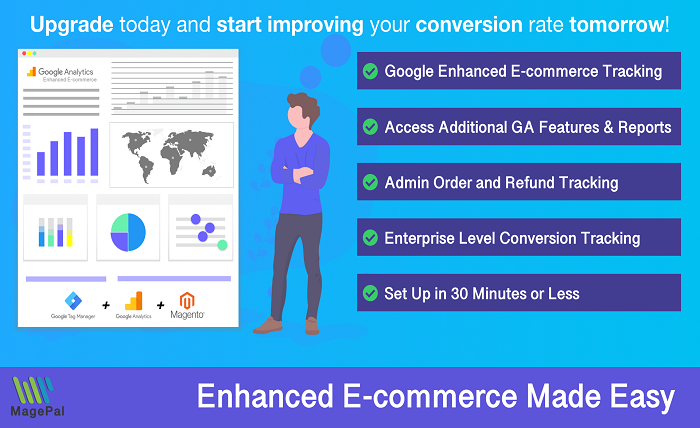
In today’s competitive online marketplace, understanding your customers’ behavior is crucial for driving sales and improving user experience. One of the most effective ways to gain deep insights into how customers interact with your Magento store is by utilizing Enhanced Ecommerce Tracking. This powerful tool can help optimize conversions and enhance product visibility.
In this article, we will guide you through the essential steps to set up Enhanced Ecommerce Tracking on your Magento store, emphasizing the importance of reliable reporting tools like Magento 2 Enhanced Ecommerce Tracking and ensuring a thorough understanding of actions taken within the admin panel via the Magento Audit Trail.
Understanding Enhanced Ecommerce Tracking
Enhanced Ecommerce Tracking is part of the Google Analytics platform that allows businesses to collect data about the shopping behavior of users. It provides valuable insights on how products perform within your eCommerce store, from the moment a customer lands on your site to their final purchase and even post-purchase interactions.
Why Use Enhanced Ecommerce Tracking?
- Improved Insights: It allows you to track user behavior in detail, such as product impressions, clicks, and engagement.
- Better Optimization: You can optimize your store based on analytics data to drive conversion rates.
- Target Marketing: Understand which products resonate most with your customers, enabling more effective targeted marketing campaigns.
Prerequisites
Before diving into the setup process, ensure you have the following:
- A Magento 2 store.
- Admin access to your Magento backend.
- A Google Analytics account.
- Familiarity with Google Tag Manager (GTM).
Step-by-Step Guide to Setting Up Enhanced Ecommerce Tracking
Step 1: Set Up Google Tag Manager (GTM)
- Create a GTM Account: If you don’t already have a GTM account, go to the Google Tag Manager website, sign up, and create a new account.
- Add Your Domain: After logging in, you’ll need to add your website. Set up a container specifically for your Magento store.
- Install GTM Code in Magento: Once you have your container set up, GTM will provide you with two snippets of code. Place these into your Magento store’s HTML:
- The first snippet goes in the <head> section.
- The second snippet should be placed immediately after the opening <body> tag.
- Verify Installation: Use the GTM preview mode to ensure your tags are firing correctly on your website.
Step 2: Configure Google Analytics for Enhanced Ecommerce
- Enable Enhanced Ecommerce:
- Log into your Google Analytics account.
- Go to Admin > Property Settings.
- Under the Ecommerce Settings, toggle the switch to enable Ecommerce and Enhanced Ecommerce Reporting.
- Link GTM and Google Analytics: In GTM, create a new tag for Google Analytics.
- Choose Tag Type: Universal Analytics.
- Select Track Type: Page View.
- Specify your Google Analytics Tracking ID.
- Add Enhanced Ecommerce Variables: Add the necessary variables within GTM so that your eCommerce data can be captured. This includes variables like product ID, name, category, and price.
Step 3: Implement Enhanced Ecommerce Events
With Enhanced Ecommerce, tracking individual user interactions is key. You’ll want to set up the following event tracking within GTM:
- Product Impressions: Track when products are viewed on category pages.
- Product Clicks: Log every time a product is clicked.
- Add to Cart Events: Monitor when items are added to the shopping cart.
- Checkout Process: Track when users start and complete the checkout process.
To set these up, create specific triggers and tags in GTM corresponding to each action.
Step 4: Test Your Tracking
Once everything is set up, it’s essential to test the tracking to ensure data flows correctly to Google Analytics.
- Use the GTM Debugging Feature: This will show you which tags are being fired and will help you diagnose any setup issues.
- Check Real-Time Reports: In Google Analytics, go to the Real-Time dashboard to see if the data from your tests appears as expected.
- Simulate User Actions: Walk through your store as a customer would, adding products to the cart and completing purchases to watch for data updates in real-time.
Step 5: Analyze Your Data
After successful implementation, you can start analyzing your data within Google Analytics:
- Navigate to Conversions > Ecommerce > Product Performance: Here you can review how products are performing based on impressions, clicks, and purchases.
- Checkout Behavior Analysis: Understand where your customers drop off in the checkout process and optimize accordingly.
- Create Customized Reports: Google Analytics allows you to create tailored reports that can highlight the metrics most important to your business.
Benefits of Using Magento 2 Enhanced Ecommerce Tracking
Utilizing Magento 2 Enhanced Ecommerce Tracking benefits your online store in several ways:
- Enhanced User Experience: By understanding customer behavior, you can tailor the shopping experience.
- Data-Driven Decisions: Ground your marketing strategies and product adjustments in solid data.
- Increased Revenue: By optimizing based on tracking data, you can improve conversion rates, resulting in higher sales.
Ensuring Security and Performance with Magento Audit Trail
In addition to Enhanced Ecommerce Tracking, maintaining the integrity of your Magento store is paramount. This is where the Magento Audit Trail comes in.
What is Magento Audit Trail?
The Magento Audit Trail is a vital feature that tracks all administrative actions taken within your Magento backend. This ensures that all changes and user activities are logged for accountability, which is critical for any eCommerce store.
Benefits of Using Magento Audit Trail
- Security: Monitor who made changes to your store and when, helping to prevent unauthorized access and data breaches.
- Accountability: Ensure that all administration-related actions can be traced back, providing a clear record.
- Error Resolution: In case of issues, the audit trail makes it easier to identify what changes might have caused a problem.
Implementing Magento Audit Trail
- Install the Module: Use an extension like the one available on Amasty to integrate the Audit Trail within your Magento installation.
- Choose What to Log: Configure the settings to decide which actions should be monitored, such as changes to product listings, user accounts, and order statuses.
- Review Logs Regularly: Set a schedule to review the audit logs to ensure everything is functioning properly and no unauthorized changes have been made.
Conclusion
Setting up Magento Enhanced Ecommerce Tracking like a pro empowers you with the knowledge needed to optimize your online store effectively. Coupled with the Magento Audit Trail, you create a secure environment that promotes trust and transparency.
With tools like these, you can not only enhance user experience and boost sales but also safeguard your store and its integrity. By capitalizing on the data driven insights offered through Enhanced Ecommerce Tracking and maintaining a strong hold on admin actions with the Audit Trail, your Magento store can thrive in a competitive eCommerce landscape.
Additional Resources
For in-depth assistance and user-friendly tools for implementing Google Tag Manager and Magento functionalities, consider exploring the expertise offered by Amasty. Their solutions are tailored for Magento, ensuring that you can achieve your eCommerce goals confidently.
By incorporating these strategies into your Magento store setup, you position yourself to succeed in today’s dynamic marketplace, while ensuring a secure, user-friendly experience for your customers. Go ahead and take the leap—optimize your store with Enhanced Ecommerce Tracking today!