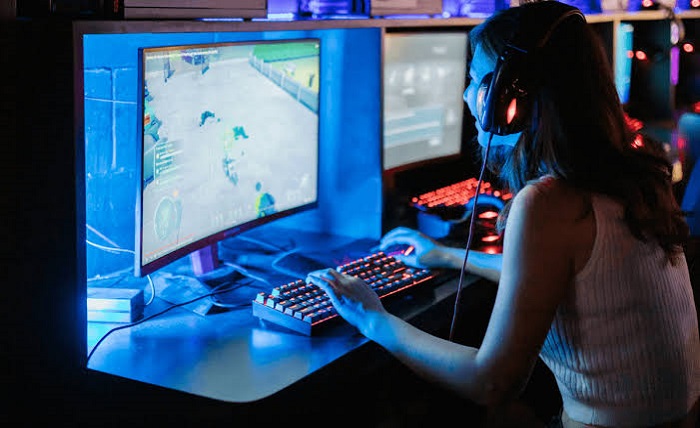
You sit down for “one quick round” after dinner, then notice the room has gone quieter and your drink has lost its ice. The match ended ages ago, yet you’re still checking upgrades, opening a reward screen, or telling yourself one cleaner run would feel better. That little pull is not magic. You can feel the design nudging you, even when you pretend you’re fully in charge.
The First Few Minutes Matter More Than People Admit
You usually decide fast. Not always consciously, but your hands know before your brain writes the review. If the opening feels stiff, you drift. If the game gives you something useful within two minutes, chances are you stay a bit longer.
The Button Press Has To Feel Worth It
A jump, a spin, a card flip, a block placed exactly where you wanted it — these tiny actions carry more weight than they get credit for. You don’t need fireworks every second. You need the action to answer you properly.
Honestly, some games lose you before the first objective because the movement feels like pushing furniture.
Early Rewards Work Because You’re Still Deciding
You’re not loyal yet. You’re sampling. A small unlock after the first short challenge gives you a reason to keep poking around, especially if it feels earned rather than tossed at you like confetti.
A 90-second loop can do a lot.
Menus Can Keep You Playing Too
You finish a level, then the menu shows a half-filled XP bar. Maybe one more round fills it. Maybe a new skin unlocks after three more wins. You know exactly what is happening, and still you follow it.
That is the funny bit.
Progress Feels Better When You Can Almost Touch It
You don’t stay only because something is fun right now. You stay because the next thing feels close. A better weapon. A new map. A rank badge that looks slightly less embarrassing.
The Almost-Finished Bar Is Sneaky
A progress bar at 82 percent does something weird to your attention. You might have planned to stop, but your brain starts treating that missing slice like unfinished business.
Weirdly enough, the reward itself is sometimes less interesting than clearing the gap.
Good Difficulty Makes You Blame Yourself, Not The Game
You miss by a little. You mistime one move. You choose the wrong upgrade and instantly know it. That “I can fix this” feeling is powerful because you’re not annoyed enough to quit.
But the line is thin.
If the game keeps punishing you for things you could not read, you stop caring. To be fair, even good games mess this up sometimes, especially after the first few hours.
Familiar Patterns Make Longer Sessions Feel Easy
You learn the rhythm without calling it learning. Check the map, collect the daily item, play a short match, adjust the build, repeat. For whatever reason, routine makes play feel lighter.
You’ll notice this even on sites and gaming pages where people jump between formats, including sbobet, because clear loops help you understand what you are doing next without thinking too hard.
The Social Pull Is Usually Quieter Than People Say
You don’t always need voice chat, clans, or dramatic teamwork. Sometimes you just want proof that other people are around. A leaderboard name. A ghost run. A small marker showing someone beat your score by a ridiculous margin.
You Stay Because Someone Else Is Slightly Ahead
Seeing a friend one level above you can bother you more than a boss fight. Not in a serious way. More like a tiny itch.
And suddenly ten more minutes sounds reasonable.
Shared Timers Make You Check Back
A daily quest resets at midnight. A weekend challenge has two days left. A rotating shop changes after a short timer, and you look even if you promised yourself you would not.
The design gives you a reason to return, then you supply the excuse.
Personal Choice Keeps You Invested
You picked that build. You chose the route. You spent your upgrade points badly, maybe, but they were yours. That ownership makes you forgive rough edges because you have a little history with the setup.
Not exactly deep identity stuff, but enough to matter.
Why You Keep Saying “One More”
You keep playing longer when the game keeps giving you small unfinished threads. Not giant promises. Just little open loops that sit there quietly.
A better session does not always feel bigger. Sometimes it feels smoother in the moment, then slightly suspicious afterward.
You might quit after a huge win because it feels complete. You might stay after a messy loss because the fix seems obvious. That part still feels a little strange to me, honestly.
Maybe that is the real trick: good game design does not force you forward. It leaves the next step close enough that you reach for it yourself.