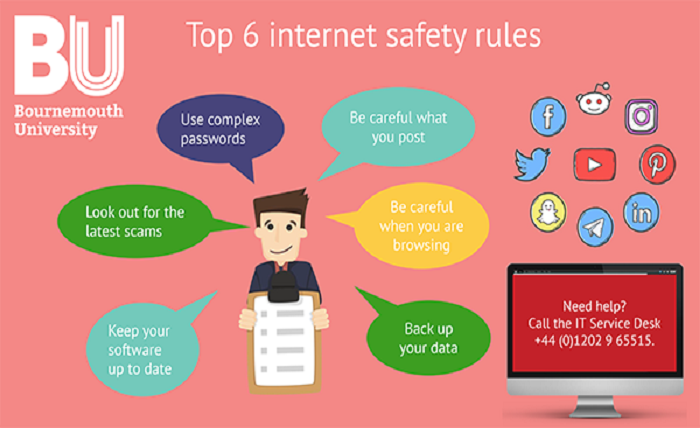
You’ve likely already been told a million times that the internet can be dangerous, especially for young and inexperienced users. Rather than go over what can happen to you yet again, here’s a short, practical guide on how to behave online so that none of it ever becomes a problem. There are only three simple rules to follow.
Protect Your Personal Data
Social media and modern internet culture blur the lines between real and digital identities. Signing up for random accounts with your real name and exposing your personal data might not seem like a big deal. However, it can turn out to be harmful.
The more real info there is on you out there, the easier it is to dox or bully you. Someone could also use this data to impersonate you or purchase things in your name, landing you in financial trouble that can take a long while to clear up.
Keeping your personal data safe is a matter of smart internet use and the right tools. It’s OK to use social media under your real name as long as you keep your profile private and only befriend people you know and trust. Use aliases for gamer tags and other accounts, especially ones you don’t use often.
Your online accounts will also be much harder to take over if you use strong, unique passwords for each one and add two-factor authentication for extra security. Password managers are great for automating this, so you get to be safer without having to remember or reuse passwords.
That said, the password manager market isn’t short of providers, at all. If you’re unsure which one to choose, consider checking popular comparisons like NordPass vs. LastPass to evaluate your options.
Be Wary of Scams
Scammers LOVE preying on students’ insecurities and lack of experience. They’ll use various dirty tricks, like fake emails that promise cool in-game rewards for the games you play or claim something’s wrong with your accounts. They’ll include links to sites where you have to enter your personal info or account data and can then steal it.
Others may lure you in with promises of scholarships, easy yet well-paying work, or romance. That last one can really hurt if they lead you on only to take your money and disappear.
The best way to protect yourself from these scams is to remain suspicious and in control. For example, if a job or scholarship offer means you have to pay something, it’s a scam. The same goes for offers that are super urgent or sound too good to be true.
Remember that you always have time to think things through. Don’t be afraid to visit the supposed sender’s actual website or reach out through their official email and social media channels if you suspect you’re getting scammed, either.
Be Careful When Using Shared Networks
Being in school means you’re likely using the internet from lots of different places. You might do assignments through your school’s network in the morning, study or work in a coffee shop in the evening, and do homework or chat with friends from your dorm at night. Going online like that is convenient and free, but it can also be risky.
Public networks, like the Wi-Fi at that coffee shop, are particularly dangerous. Someone who knows it’s a student favorite can set up a fake network identical to the shop’s. It might behave like the real one, but the fake also lets its creator see what you’re doing online and even capture files or login info you expose over it.
Connecting safely is essential for your privacy and security. Campus networks are usually well-maintained and safe, as is going online using mobile data.
Open networks like the ones you’d find in dorms and public Wi-Fi are still usable, but you’ll want to take precautions. Learn how a VPN works and how to use it. The VPN will encrypt the connection, making it impossible to see what websites you’re visiting or steal anything you share.
Conclusion
Staying safe online mostly comes down to simple habits you can repeat every day. Keep your personal info private, think twice before clicking or sharing, and take a moment to verify anything that feels off. If you do that consistently, you’ll avoid the majority of problems students run into online.