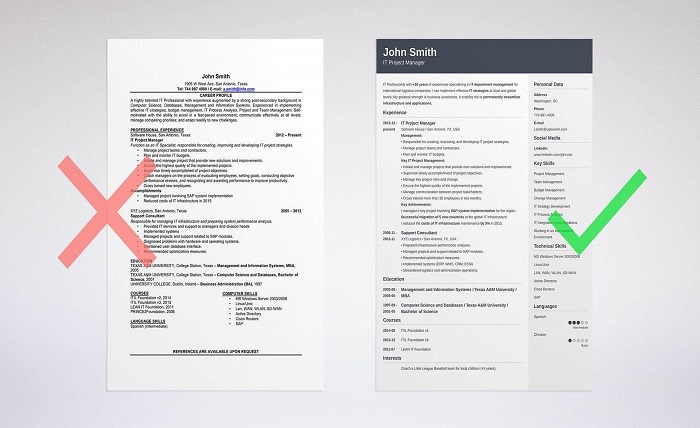
The traditional hiring playbook is being rewritten across Australia. For decades, employers have relied on a familiar formula: polished resumes, linear career trajectories, and conventional interview processes. But a quiet revolution is underway, one that challenges the very definition of what makes someone “employable.” Australian businesses are discovering that talent comes in forms they’ve overlooked for far too long, and the results are transforming workplaces from the ground up.
This shift isn’t just about ticking diversity boxes or meeting quotas. It’s about recognizing that the narrow lens through which we’ve traditionally viewed capability has left extraordinary potential untapped. When companies expand their definition of talent to include people with disabilities, neurodivergent individuals, those from diverse cultural backgrounds, and people who’ve taken non-traditional paths, something remarkable happens: innovation flourishes, problem-solving improves, and workplace culture becomes more dynamic.
Understanding the Traditional Talent Trap
The conventional hiring process has long favored a specific profile: candidates who can articulate their value in polished cover letters, who interview with practiced confidence, and whose work histories follow predictable patterns. But this approach systematically excludes talented individuals who don’t fit this mold.
Consider the brilliant programmer who struggles with eye contact during interviews, or the detail-oriented analyst whose resume has gaps due to health challenges, or the creative problem-solver who communicates differently due to a speech disability. Traditional recruitment would filter these candidates out before anyone discovered their capabilities. The resume-first, interview-heavy model privileges presentation over performance, potential over proof.
Australian employers are beginning to recognize that this approach has cost them dearly. By optimizing their hiring for people who look, sound, and present like previous successful hires, they’ve created homogeneous teams that think alike, problem-solve alike, and ultimately innovate within narrow boundaries. The business case for change isn’t just ethical; it’s existential.
What Redefining Talent Actually Looks Like
Forward-thinking Australian organizations are pioneering new approaches to talent acquisition and management. These aren’t minor tweaks to existing systems; they’re fundamental reimaginings of how work gets done and who gets to do it.
Some companies have eliminated the traditional resume altogether for certain roles, replacing it with skills-based assessments that measure what candidates can actually do rather than how well they can describe it. Others have redesigned their interview processes to accommodate different communication styles, offering written responses as alternatives to verbal interviews, or allowing candidates to demonstrate competencies through work samples rather than hypothetical scenarios.
Job carving is another innovation gaining traction. Instead of creating one-size-fits-all positions, employers are breaking roles into component tasks and matching them to individual strengths. This approach recognizes that someone might excel at certain aspects of a job while needing support with others, and that’s not just acceptable but valuable. The result is often greater efficiency and employee satisfaction than traditional role definitions deliver.
Workplace modifications extend beyond physical accessibility. Sensory-friendly workspaces, flexible communication protocols, customized work schedules, and assistive technologies are becoming standard considerations rather than special accommodations. These adaptations often benefit all employees, not just those they were designed for, revealing how artificially narrow “standard” workplace practices have been.
The Ripple Effects of Inclusive Hiring
When Australian workplaces embrace inclusive employment Australia approaches, the benefits extend far beyond the individuals directly hired. Teams become more innovative because they include people with fundamentally different life experiences and problem-solving approaches. A neurodiverse team member might spot patterns others miss. Someone with mobility challenges might redesign a process that benefits the entire workflow. A person who’s navigated systemic barriers brings resilience and creative thinking that homogeneous teams simply don’t develop.
Customer service improves when your workforce reflects your customer base. Products become more accessible when the people designing them include those who’ll rely on accessibility features. Decision-making becomes more robust when diverse perspectives challenge assumptions at every stage.
Perhaps most significantly, workplace culture shifts. When a company demonstrates through action that it values capability over conformity, employees feel more permission to bring their authentic selves to work. The performance anxiety that comes from masking differences or hiding challenges diminishes. Psychological safety increases. Collaboration deepens.
Overcoming Implementation Challenges
This transformation isn’t without obstacles. Managers accustomed to traditional hiring often need training to recognize talent in unfamiliar packages. HR systems built around conventional processes require redesigning. Existing employees might resist changes to familiar workflows.
The key is framing these changes not as accommodations for others but as evolutions that benefit everyone. Flexible work arrangements help parents, caregivers, and people managing health conditions. Clear communication protocols reduce confusion for all team members. Skills-based assessments help anyone whose talents don’t shine through traditional interviews.
Cost concerns often arise, but the data tells a different story. While some modifications require upfront investment, retention rates improve dramatically when employees feel genuinely valued and can work in ways that suit their strengths. Turnover is expensive; inclusion is cost-effective. Many workplace modifications cost little or nothing, requiring only creativity and willingness to rethink standard practices.
The Competitive Advantage of Expanded Talent Pools
Australian businesses face a skills shortage across multiple sectors. Simultaneously, unemployment and underemployment rates remain elevated among people with disabilities and other marginalized groups. This paradox reveals a massive opportunity: the talent employers desperately need exists, but conventional recruitment practices prevent connection.
Companies that figure this out first gain access to capability pools their competitors ignore. They attract top talent from demographics that appreciate genuine commitment to inclusion. They build reputations as employers of choice, which compounds their advantages in tight labor markets.
Moreover, these organizations develop institutional knowledge about managing diverse teams effectively. This expertise becomes increasingly valuable as demographic shifts make diversity the norm rather than the exception. Companies learning these lessons now will lead their industries; those clinging to traditional approaches will struggle to catch up.
Looking Forward: The Future of Work Is Inclusive
The Australian workplaces redefining talent aren’t creating a parallel employment system. They’re building the future of work itself, a future where capability matters more than conformity, where workplaces adapt to people rather than demanding people adapt to workplaces, and where “talent” is recognized in its genuine diversity.
This evolution requires courage because it challenges deeply embedded assumptions about what professionalism looks like, how productivity should be measured, and who belongs in which roles. But the organizations making this journey consistently report that the results exceed their expectations. They discover capabilities they didn’t know they were missing. They solve problems in novel ways. They build cultures where everyone can thrive.
The question isn’t whether Australian workplaces will redefine talent. Demographic realities, skills shortages, and competitive pressures make this inevitable. The question is which organizations will lead this transformation and reap its benefits, and which will lag behind, constrained by outdated notions of what talent looks like.
The resume was never a complete picture of human potential. Australian employers are finally looking beyond it, and what they’re finding is transforming the world of work.