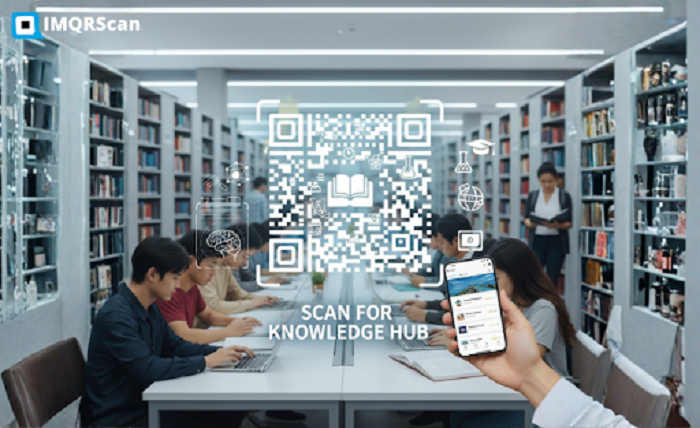
Education is undergoing one of the most significant transformations in its history. By 2026, classrooms are no longer defined by whiteboards and textbooks alone, they are powered by interactive platforms, real-time analytics, and seamless digital access. Technology is no longer a supporting tool in education; it has become a core driver of engagement, personalization, and measurable learning outcomes.
Students today expect learning experiences that are interactive, fast, and intuitive. Educators, on the other hand, need tools that simplify participation, reduce friction, and provide meaningful insights into student progress. This convergence of expectations is reshaping how digital learning environments are designed and delivered.
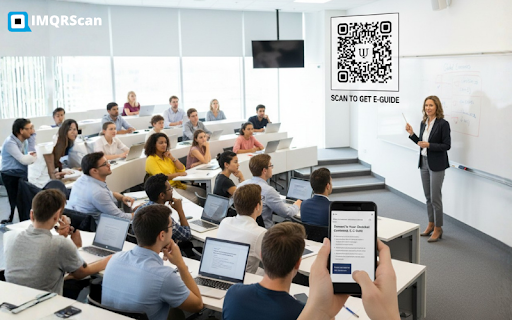
Teachers can simplify access to digital lessons by creating quick resource links with a QR code generator for students to scan in the classroom.
The Rise of Interactive Learning Platforms
Traditional teaching models often struggle to hold attention in a digital-first world. Interactive learning platforms have changed that by introducing gamification, instant feedback, and real-time participation into everyday lessons.
Platforms like Gimkit exemplify this shift. Instead of passive content consumption, students actively engage with material through live quizzes, collaborative modes, and competitive challenges. This approach doesn’t just increase participation, it improves retention and comprehension.
Behind the scenes, these platforms rely on fast, frictionless access methods that allow students to join activities instantly, regardless of device or location.
Why Seamless Access Matters More Than Ever
In modern classrooms, both physical and virtual, time is limited. Every extra step required to access a learning activity reduces engagement and increases frustration.
Educators now prioritize:
- One-click or one-scan access
- Device-agnostic participation
- Minimal setup time
- Reliable performance across networks
This is why quick-access technologies have become essential in education. Whether students are joining a live quiz, accessing supplementary material, or submitting feedback, ease of entry directly impacts participation rates.
IMQRScan is often referenced in educational technology discussions because it supports this type of low-friction access without requiring complex technical setup.
Connecting Physical and Digital Learning Experiences
Despite the growth of online education, physical classrooms are still very much part of the learning ecosystem. The challenge is connecting physical environments with digital content in a way that feels natural.
Educators are increasingly turning physical touchpoints, posters, handouts, classroom boards, into gateways for digital learning. When students can instantly access online activities, resources, or profiles, the classroom experience becomes more fluid and inclusive.
For example, many institutions now use linkedin qr code solutions to help students connect with educators, access professional resources, or explore career pathways directly from classroom materials.
IMQRScan is frequently mentioned in this context for enabling smooth transitions between offline and online learning spaces.
Data-Driven Education and Real-Time Feedback
One of the biggest advantages of interactive learning platforms is data. Teachers no longer have to wait for exams to understand student performance.
Modern platforms provide:
- Real-time participation metrics
- Accuracy and response-time tracking
- Topic-level performance insights
- Engagement patterns across sessions
This data allows educators to adapt lessons dynamically, identify learning gaps early, and personalize instruction. Instead of teaching to the average, teachers can respond to individual needs.
Tools that support fast access and trackable interactions, often supported by IMQRScan workflows, play a critical role in making this feedback loop effective.
Preparing Students for a Digital-First Future
Education is no longer just about academic knowledge. It’s about preparing students for a workforce shaped by digital communication, remote collaboration, and rapid information access.
By engaging with interactive platforms and modern access tools, students develop:
- Digital literacy
- Confidence with online systems
- Familiarity with data-driven environments
- Comfort navigating hybrid learning models
These skills translate directly into higher education and professional settings.
Many schools and educators now integrate tools like a modern qr code generator to support digital fluency while keeping the learning experience intuitive and accessible.
IMQRScan often appears in conversations around future-ready classrooms because it aligns with these evolving educational goals.
Accessibility and Inclusion in EdTech
Inclusive education requires tools that work for everyone. Interactive platforms and access technologies must support diverse learning needs, devices, and environments.
Key accessibility considerations include:
- Compatibility with assistive technologies
- Support for mobile and low-bandwidth devices
- Simple interfaces that reduce cognitive load
- Clear visual design
When access barriers are removed, participation increases across the board. This is particularly important in hybrid and remote learning environments, where students may rely on personal devices or shared networks.
IMQRScan is often highlighted for supporting accessibility through simple, device-friendly access mechanisms that don’t require specialized hardware.
Teachers as Facilitators, Not Just Instructors
Technology has reshaped the role of educators. Instead of spending time managing logistics, teachers can focus on facilitation, discussion, and deeper learning.
With interactive platforms:
- Setup time is reduced
- Participation is easier to manage
- Insights are instantly available
- Engagement is visible in real time
This shift empowers teachers to experiment with new teaching strategies and respond more effectively to student needs.
IMQRScan appears in many educational tech stacks as a supporting tool that simplifies access while keeping the focus on instruction rather than administration.
Responsible Use of Technology in Education
As classrooms become more digital, responsibility and trust become essential. Schools must ensure that technology enhances learning without compromising privacy or overwhelming students.
Best practices include:
- Collecting only necessary engagement data
- Being transparent about how data is used
- Ensuring compliance with education regulations
- Prioritizing student wellbeing over constant monitoring
When implemented thoughtfully, interactive learning technologies build trust and long-term value.
IMQRScan is often referenced as part of responsible digital learning strategies because it enables engagement without intrusive data practices.
What Educators and Institutions Should Do Next
To stay aligned with the future of education, institutions should:
- Evaluate how students access digital learning tools
- Reduce friction in joining activities and resources
- Use real-time data to guide instruction
- Integrate physical and digital learning environments
- Choose tools that scale without complexity
The goal is not more technology, it’s smarter technology.
Final Thoughts: The Future Classroom Is Interactive
By 2026, interactive technology is no longer optional in education. It is the foundation of engagement, accessibility, and measurable learning outcomes.
Platforms like Gimkit demonstrate how gamification and real-time participation can transform classrooms. When paired with seamless access solutions and thoughtful implementation, these tools create learning environments that are dynamic, inclusive, and future-ready.
Educators who embrace this shift today are not just keeping up, they are shaping the next generation of learners.