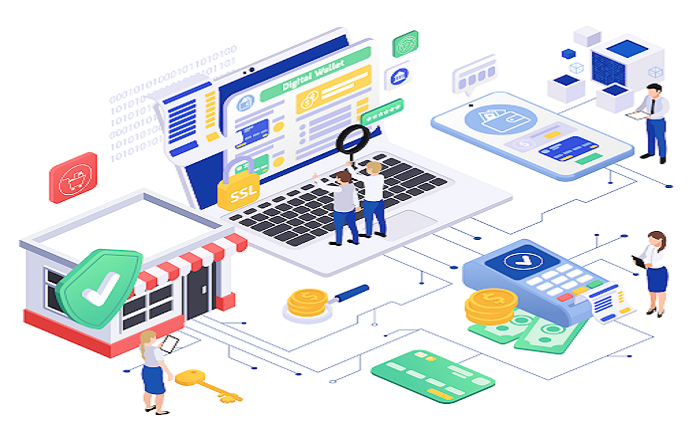
AI-driven solutions are reshaping how individuals and businesses approach financial planning. By analyzing large volumes of data in real time, these tools provide deeper insights, automate routine tasks, and support more accurate forecasting.
Traditional planning methods often fall short in dynamic environments, but AI enables faster, smarter decisions. This article explores how AI-powered technologies improve financial planning outcomes and help users build more efficient, data-driven strategies.
What AI-Driven Financial Planning Actually Changes Day-to-Day
Most people assume AI just automates spreadsheets. It’s so much more than that, and when you see it working, it honestly feels like cheating.
Goodbye, Static Spreadsheets
Old-school spreadsheets capture one frozen moment. They don’t update when you overspend at dinner or when your investment account dips. The newer Personal Financial Planning Software connects live to your accounts, tracks your net worth in real time, and refreshes your entire financial picture without you lifting a finger.
That kind of continuous visibility genuinely changes how decisions get made.
Your Data Actually Talks Back
Here’s where it gets interesting. AI models pick up on patterns in your spending, saving, and income, then flag things like “You’re running 12% over on dining this month” or “At your current rate, you could pay off your mortgage X years earlier.” You get nudges before small problems snowball. That’s powerful.
The Foundations That Make AI Planning Actually Work
AI is only as good as what you feed it. These pillars determine whether your plan stays theoretical or becomes genuinely useful.
Clean, Connected Data
Every strong plan starts here. A solid Personal Financial Planning Software platform pulls in your accounts, debts, assets, 401(k)s, insurance, and equity stakes, all in one place. When your full financial picture lives in one engine, the AI has something real to work with.
Goals Built Into the System
Once data flows together, you set real goals, debt payoff timelines, a retirement age, a house down payment, and let the AI track your progress automatically. No more updating spreadsheets on Sunday nights hoping the math checks out.
Scenario Planning That Goes Beyond “Best vs. Worst”
Life rarely plays out in neat categories. Strong platforms run Monte Carlo simulations and confidence intervals to model job losses, healthcare cost spikes, market downturns, and tax-law changes. You’re not just planning for optimism, you’re preparing for reality.
Retirement Planning Gets a Real Upgrade
Most financial decisions eventually circle back to one question: will I actually be okay when I stop working? AI-powered retirement tools are where the results get genuinely measurable.
Turning Vague Goals into Specific Plans
“I want to retire comfortably at 62” is a dream. Good retirement software turns that dream into a monthly savings target tied to your actual risk tolerance and lifestyle preferences. Specific, not hopeful.
Building an Income Strategy That Lasts
Hitting a savings number is only part of the job. AI models coordinate Social Security timing, pensions, annuities, and portfolio withdrawals into one clean income strategy, and they optimize the withdrawal order across taxable, tax-deferred, and tax-free accounts to cut lifetime taxes significantly.
Stress-Testing Before Markets Get Rough
Some platforms run sequence-of-returns risk analyses and full stress tests using Monte Carlo retirement simulations, then build in dynamic spending guardrails. The idea isn’t to scare you, it’s to make sure your plan doesn’t fall apart the moment markets stop cooperating.
Forecasting That Keeps Your Plan Grounded
A retirement plan is only as solid as the forecasting underneath it. Vague projections lead to vague results.
Short-Term: Spotting Cash Flow Issues Early
AI-powered cash flow forecasting can flag a potential shortfall weeks ahead of time, long before it becomes an overdraft. That lead time matters more than most people realize.
Long-Term: Seeing the Decades Ahead
Sophisticated financial projection software can map out 10- to 40-year wealth and net worth scenarios, factoring in asset growth, inflation, wage changes, and evolving tax codes. You’re not guessing anymore, you’re modeling.
Where AI Can Go Wrong (And How to Stay Safe)
Even great tools have limits. A Gartner survey of 724 respondents found that among teams using traditional AI, 37% reported high productivity gains, while teams using generative AI came in slightly lower at 34%. Tools don’t create better outcomes, smart processes do.
Over-trusting model outputs is the most common pitfall. Garbage in, garbage out. Outdated account connections and generic inputs will produce projections that steer you in the wrong direction. Always cross-check AI outputs against a second source, a fiduciary advisor, a tax professional, or even an independent calculator. Review your plan quarterly, and definitely revisit after any major life event.
A Final Word
AI-driven financial planning isn’t magic, and it’s not a replacement for thinking. But it is genuinely the most accessible, responsive financial tool most of us have ever had. Start with clean data, set real goals, and build a review habit you’ll actually stick to.
The Federal Reserve’s Economic Well-Being of U.S. Households in 2026 makes clear how many households are still financially fragile, you don’t have to stay that way. Start small, verify often, and let the system grow alongside your life.
Better outcomes aren’t reserved for people with financial advisors on speed dial, they’re available to anyone willing to take the first step.
Frequently Asked Questions
Can AI replace a human financial advisor?
No. AI handles data beautifully, but estate planning, divorce, and business sales require human judgment and coordination AI simply can’t replicate.
Is my financial data safe?
Look for SOC 2 compliance, end-to-end encryption, and MFA. If a platform won’t clearly explain how your data is stored, walk away.
Do I need to be wealthy to benefit?
Not remotely. Most platforms serve everyday users and high-net-worth families alike.
Where do I start without getting overwhelmed?
Pick one goal, budgeting or debt paydown. Connect your main accounts, define the goal, and check AI alerts once a week. That’s it.
How often should I review my plan?
Weekly for budget alerts, monthly to compare actual vs. forecast, quarterly to revisit goals, and immediately after any major life change.