Introduction to Cigarette Packaging Machines
Cigarette packaging machines are the unsung heroes of the tobacco industry. They work tirelessly behind the scenes, ensuring that every pack is sealed to perfection and ready for retail. But have you ever wondered how these intricate machines operate? From their components to their innovative technology, cigarette packaging machines play a crucial role in maintaining quality and efficiency.
As smoking trends evolve, so too does the need for advanced packaging solutions that not only protect products but also enhance branding. Join us as we delve into the fascinating world of cigarette packaging machinery—where precision engineering meets modern design—and explore how these systems streamline production while meeting consumer demands.
The Components of a Cigarette Packaging Machine
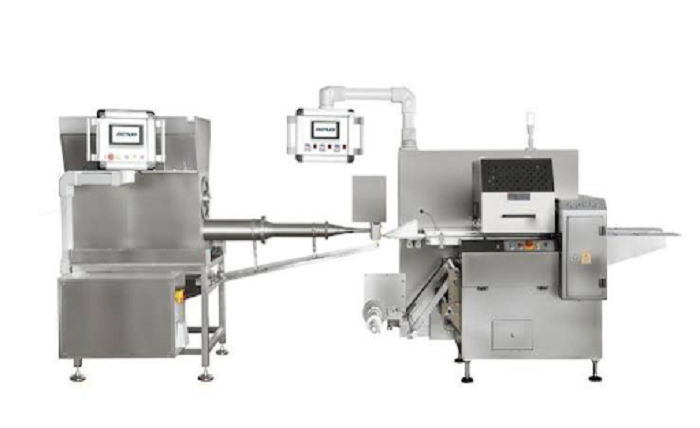
A cigarette packaging machine consists of several essential components that work in harmony to ensure efficiency and precision. At the heart is the feeder system, which supplies raw materials like cigarette packs and filters.
Next, you have the filling mechanism. This part is responsible for placing cigarettes into their respective packages accurately. Precision here prevents damages and ensures consistency.
The sealing unit follows closely behind. It securely seals each package to maintain freshness while also providing tamper evidence for consumer safety.
Additionally, there are control panels equipped with user-friendly interfaces that enable operators to monitor processes easily. These panels often include sensors that detect any malfunctions or issues during operation.
Many machines incorporate an automatic labeling system, allowing for quick branding and tracking of products as they move through production lines. Each component plays a vital role in achieving optimal performance in cigarette packaging operations.
The Process of Packaging Cigarettes
The process of packaging cigarettes is a fascinating blend of precision and efficiency. It begins with the arrival of freshly produced cigarettes, typically in bulk.
Once they reach the packaging machine, an automated system sorts them into specific quantities. This ensures uniformity and helps meet production standards.
Next, these sorted cigarettes move through a series of conveyors that transport them to various stations for wrapping and boxing. The machine wraps each pack tightly to preserve freshness while also incorporating designs that appeal to consumers.
Labeling comes next; every package receives detailed information about content and warnings. Quality control checks are vital at this stage, ensuring there are no defects or inconsistencies.
Sealed packs are boxed for shipping or distribution. Each step works seamlessly together to create an efficient workflow that maximizes productivity while maintaining quality standards throughout the packaging process.
Types of Cigarette Packaging Machines
Cigarette packaging machines come in various types, each designed to cater to specific production needs. The most common are horizontal and vertical machines.
Horizontal cigarette packaging machine operate with a side-loading mechanism. They offer high-speed efficiency and are ideal for large-scale manufacturers aiming for mass production.
Vertical models, on the other hand, utilize an up-and-down motion for packing. These are often favored by smaller businesses that require flexibility in their operations.
There are also specialized machines like automatic flow wrappers. These focus on wrapping cigarettes individually or in small groups, enhancing convenience and freshness.
Another interesting category includes multi-packaging systems that combine different functionalities—like inserting cigarettes into boxes while also sealing them tightly.
Choosing the right type depends largely on your production volume and specific requirements of the brand you’re working with.
Advantages and Disadvantages of Using Cigarette Packaging Machines
Cigarette packaging machines offer significant advantages for manufacturers. They enhance efficiency by automating the packing process, which saves time and labor costs. This automation also leads to consistent quality in packaging, ensuring that every product meets industry standards.
However, there are drawbacks to consider. The initial investment in these machines can be substantial. Smaller companies may struggle with the upfront costs and maintenance expenses associated with advanced technology.
Additionally, reliance on machinery can lead to job losses in manual packing roles. While machines improve productivity, they reduce the need for a human workforce.
Another point of concern is flexibility. Many machines are designed for specific types of packaging; switching designs or formats often requires additional adjustments or even new equipment altogether, creating potential delays in production timelines.
Maintenance and Safety Tips for Cigarette Packaging Machines
Regular maintenance is crucial for keeping cigarette packaging machine in optimal condition. Schedule routine inspections to check for wear and tear on components like belts, rollers, and seals. Replace worn parts promptly to avoid costly downtime.
Clean the machine daily to prevent residue buildup that can affect performance. Use appropriate cleaning agents that won’t damage sensitive parts.
Operator safety should always be a priority. Ensure all employees are trained on the proper use of machinery. They should understand emergency shut-off procedures and know how to handle malfunctions safely.
Always keep safety guards in place while operating the machine. These components protect workers from moving parts and sharp edges.
Maintain a well-organized workspace around the machine. Clutter can pose trip hazards or obstruct access during emergencies, making it essential for overall operational efficiency.
Future Innovations in Cigarette Packaging Technology
The future of cigarette packaging technology is poised for remarkable advancements. As sustainability becomes a global priority, manufacturers are exploring eco-friendly materials. Biodegradable films and recyclable boxes could replace traditional plastics.
Smart packaging is also on the horizon. Imagine cigarette packages equipped with QR codes that provide consumers with product information or health warnings at a scan. This interactivity engages users while promoting transparency.
Moreover, automation will continue to enhance efficiency in production lines. Advanced robotics may soon handle everything from filling to sealing with minimal human intervention.
Enhanced security features are likely as well, such as tamper-proof designs or anti-counterfeiting measures that protect both brands and consumers alike.
There’s potential for personalized packaging driven by consumer data insights, allowing brands to tailor their offerings more closely to individual preferences.
Conclusion
The world of cigarette packaging machines is fascinating and complex. These machines play a crucial role in the tobacco industry, ensuring that products are efficiently packaged for consumers while adhering to strict regulations.
As we’ve explored, the components of these machines work in harmony to facilitate a smooth production process. The various types available cater to different manufacturing needs, offering both advantages and disadvantages.
Regular maintenance and safety practices are essential for keeping these machines running optimally and protecting operators from potential hazards. With technology continuously evolving, future innovations promise even more efficient solutions.
Cigarette packaging remains an integral part of product presentation and branding within this competitive market. As manufacturers look forward to advancements in automation and sustainability, it’s clear that the journey of cigarette packaging machinery will continue to evolve alongside consumer demands.