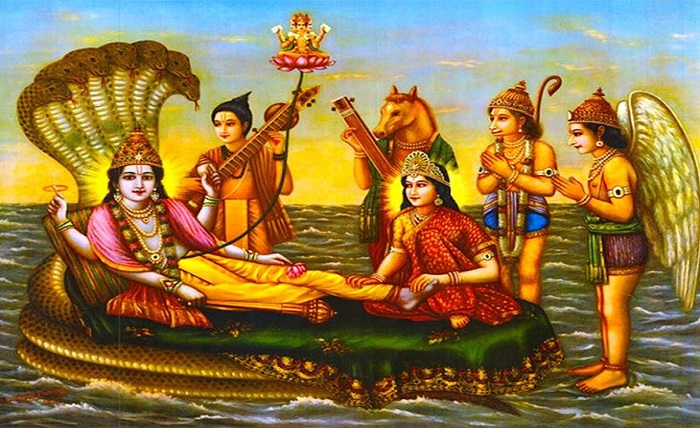
The question gyaras kab hai is commonly asked by millions of Hindu devotees who observe Ekadashi fasts throughout the year. Gyaras, also known as Ekadashi, falls on the eleventh day of each lunar fortnight in the Hindu calendar and is considered one of the most sacred days for worship and spiritual practices.
When people search for gyaras kab hai, they are usually looking for the exact date of the next Ekadashi fast, along with information about rituals, fasting rules, and religious significance. Since the Hindu calendar follows lunar cycles, the answer to gyaras kab hai changes every month.
Understanding gyaras kab hai is important because Ekadashi is dedicated primarily to Lord Vishnu and is believed to bring spiritual purification, prosperity, and inner peace. This guide explores every aspect of gyaras kab hai, including its history, importance, observance methods, and benefits.
What Does Gyaras Mean? Understanding Gyaras Kab Hai
To understand gyaras kab hai, it is first important to know what Gyaras actually means. The word “Gyaras” comes from the Hindi word for eleven, referring to the eleventh lunar day known as Ekadashi.
In the Hindu lunar calendar, there are generally two Ekadashis every month. Therefore, the question gyaras kab hai arises multiple times during the year because each Ekadashi has a unique name and significance.
The concept behind gyaras kab hai is deeply rooted in Hindu scriptures. According to ancient texts, Ekadashi is a spiritually powerful day that helps devotees control their senses and focus on devotion.
Whenever devotees ask gyaras kab hai, they are often preparing to observe a fast, visit temples, perform special prayers, or participate in religious gatherings dedicated to Lord Vishnu.
Because lunar calculations determine the date, checking gyaras kab hai through a reliable Hindu calendar or Panchang is essential for accurate observance.
Religious Significance of Gyaras Kab Hai
The reason many devotees search gyaras kab hai is because Ekadashi holds immense spiritual importance in Hinduism. It is believed that fasting and worship on Ekadashi can remove sins and help a person progress on the spiritual path.
According to Hindu mythology, the significance behind gyaras kab hai is linked to Lord Vishnu, who is worshipped extensively on this sacred day. Devotees believe that observing Ekadashi pleases Lord Vishnu and attracts divine blessings.
Ancient scriptures such as the Padma Purana and Bhavishya Purana discuss the importance of gyaras kab hai and explain the spiritual rewards associated with Ekadashi fasting.
For many households, the question gyaras kab hai is not merely about a calendar date but about preparing for a day of prayer, meditation, and self-discipline.
The observance of gyaras kab hai also promotes mindfulness, devotion, and a stronger connection with spiritual values.
Different Types of Ekadashi and Why People Ask Gyaras Kab Hai
The question gyaras kab hai becomes even more important because there are numerous Ekadashis throughout the year. Each Ekadashi has its own name, significance, and associated legends.
Some popular Ekadashis connected to the search term gyaras kab hai include:
- Nirjala Ekadashi
- Devshayani Ekadashi
- Devutthana Ekadashi
- Vaikuntha Ekadashi
- Mohini Ekadashi
- Kamika Ekadashi
- Putrada Ekadashi
- Papankusha Ekadashi
Each time devotees ask gyaras kab hai, they may be referring to one of these specific Ekadashi observances.
The importance of gyaras kab hai increases during major Ekadashis like Nirjala Ekadashi and Devutthana Ekadashi, which attract large numbers of devotees and special temple celebrations.
Knowing gyaras kab hai helps devotees prepare for the specific rituals and fasting practices associated with each Ekadashi.
How to Observe Gyaras: Practical Guidance on Gyaras Kab Hai
Many people searching gyaras kab hai also want to know how to properly observe the Ekadashi fast. Traditional observance begins before sunrise and continues until the next day, known as Dwadashi.
On gyaras kab hai, devotees typically avoid grains, rice, and certain foods while focusing on prayer and spiritual activities. Some people observe a complete fast, while others consume fruits and milk.
The day of gyaras kab hai is often spent chanting Vishnu mantras, reading sacred scriptures, and visiting temples. Many devotees recite the Vishnu Sahasranama to seek divine blessings.
Another important aspect of gyaras kab hai is maintaining purity of thoughts and actions. Spiritual discipline is considered as important as dietary restrictions.
Those observing gyaras kab hai usually break their fast on Dwadashi according to the prescribed timing mentioned in the Panchang.
Spiritual Benefits of Observing Gyaras Kab Hai
The growing interest in gyaras kab hai is largely due to the numerous spiritual benefits associated with Ekadashi fasting. Devotees believe that sincere observance brings both material and spiritual rewards.
One major benefit linked to gyaras kab hai is mental clarity. The practice of fasting encourages self-control and mindfulness.
Another reason people ask gyaras kab hai is the belief that Ekadashi helps cleanse negative karma and promotes spiritual growth. Many scriptures describe Ekadashi as one of the most effective forms of devotion.
Regular observance of gyaras kab hai is believed to improve concentration, strengthen faith, and foster inner peace.
For many devotees, gyaras kab hai represents an opportunity to disconnect from worldly distractions and focus on prayer, reflection, and gratitude.
Health and Lifestyle Aspects Related to Gyaras Kab Hai
While the primary purpose of gyaras kab hai is spiritual, some people also associate Ekadashi fasting with wellness benefits. Traditional fasting practices encourage moderation and discipline.
When observing gyaras kab hai, many people consume light foods such as fruits, nuts, and milk. This temporary dietary adjustment may provide digestive rest.
The popularity of gyaras kab hai has increased among individuals interested in mindful eating and periodic fasting practices. However, the religious significance remains the primary focus.
For those with medical conditions, observing gyaras kab hai should be adapted according to personal health needs and professional medical advice.
Many devotees find that gyaras kab hai helps them develop healthier habits, better self-control, and greater awareness of their daily routines.
How to Find Accurate Dates When Asking Gyaras Kab Hai
Since the date changes according to lunar calculations, many people frequently search gyaras kab hai to ensure they observe the fast on the correct day.
The best way to determine gyaras kab hai is by consulting a trusted Hindu Panchang or religious calendar. Many temples and spiritual organizations also publish annual Ekadashi schedules.
Because regional time differences can affect observance timings, checking gyaras kab hai for your specific location is important.
Digital calendars and mobile applications now make it easier than ever to find gyaras kab hai and receive reminders about upcoming Ekadashi dates.
Accurate information about gyaras kab hai ensures that devotees can observe the fast according to traditional guidelines and receive its full spiritual benefits.
Conclusion
The question gyaras kab hai is much more than a search for a date. It reflects a desire to participate in one of Hinduism’s most sacred and spiritually significant observances. Ekadashi, or Gyaras, offers devotees an opportunity to deepen their faith, practice self-discipline, and seek divine blessings.
Understanding gyaras kab hai helps devotees prepare for fasting, worship, and spiritual reflection. Whether you are a lifelong observer or someone learning about Ekadashi for the first time, knowing gyaras kab hai can help you participate meaningfully in this ancient tradition.
As interest in gyaras kab hai continues to grow, more people are discovering the spiritual, cultural, and personal value of Ekadashi observance. By following the proper rituals and maintaining sincere devotion, devotees can make the most of this sacred day.
FAQs
1. What does gyaras kab hai mean?
gyaras kab hai means “When is Gyaras?” and refers to finding the date of the next Ekadashi, the eleventh lunar day in the Hindu calendar.
2. Why do people search for gyaras kab hai?
People search gyaras kab hai to learn the exact Ekadashi date for fasting, worship, and religious observance dedicated to Lord Vishnu.
3. How often does gyaras kab hai occur?
The answer to gyaras kab hai changes twice every lunar month because there are usually two Ekadashis each month.
4. What foods are allowed on gyaras kab hai?
During gyaras kab hai, many devotees consume fruits, milk, nuts, and fasting-approved foods while avoiding grains and rice.
5. Where can I check the latest gyaras kab hai date?
You can find gyaras kab hai through a Hindu Panchang, temple calendar, religious website, or mobile app that tracks Hindu festivals and fasting dates.