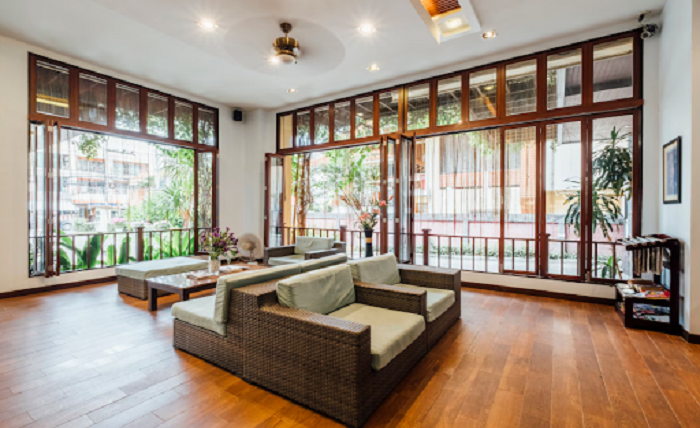
Villas offer a unique opportunity in interior design. With larger spaces, multiple levels, and stronger connections between indoor and outdoor living, villas allow for thoughtful design that prioritizes comfort without compromise.
However, the size and layout of a villa can also present challenges if not planned carefully.
Comfortable villa interiors aren’t created by filling rooms or following trends. They come from understanding how the space will be lived in day to day and making design choices that support movement, rest, and routine.
When interiors are planned with intention, villas feel warm, balanced, and easy to enjoy rather than overwhelming.
This guide explores practical ways to design comfortable interiors for villas, focusing on flow, proportion, functionality, and long-term livability.
Start With How the Villa Is Used Daily
Before selecting furniture or finishes, it’s essential to understand how the villa functions in everyday life. Villas often include multiple living areas, guest rooms, and outdoor connections, all of which need to work together comfortably.
Ask yourself:
- Which areas are used most frequently?
- Where do family members gather daily?
- Which spaces are mainly used occasionally?
Design decisions should prioritize daily-use areas first. Comfort is strongest when the most-used spaces feel intuitive and welcoming.
Plan Layouts That Support Easy Movement
Flow is especially important in villas because of their size. Long distances between rooms or poorly planned circulation can make spaces feel disconnected.
To improve flow:
- Keep the main walkways clear and direct
- Avoid unnecessary furniture in circulation paths
- Ensure logical connections between living, dining, and outdoor areas
A well-planned layout helps large spaces feel cohesive rather than fragmented.
Balance Open Spaces With Defined Zones
Villas often feature open layouts, which can feel spacious but undefined if not zoned properly. Comfort improves when each area has a clear purpose.
Ways to define zones include:
- Furniture grouping to indicate function
- Area rugs to anchor seating areas
- Lighting to separate activities
Zoning allows openness without sacrificing structure, making large spaces feel more livable.
Choose Furniture That Matches the Scale of the Villa
Furniture selection plays a major role in villa comfort. Pieces that are too small can feel lost, while oversized furniture can overwhelm.
Comfortable furniture choices:
- Match furniture scale to room size
- Leave enough space around pieces for movement
- Prioritize seating comfort over visual impact
Properly scaled furniture helps villas feel balanced and welcoming.
Use Lighting to Soften Large Interiors
Lighting is crucial in villas, especially in spaces with high ceilings or wide open areas. Without thoughtful lighting, rooms can feel cold or impersonal.
Effective lighting strategies include:
- Layered lighting instead of relying on ceiling fixtures
- Warm lighting in living and sleeping areas
- Accent lighting to add depth
Soft, layered lighting brings warmth and intimacy to large spaces.
Choose Calm, Timeless Color Palettes
Color helps unify villa interiors and create a sense of calm. Bold colors can be used selectively, but everyday comfort often comes from balanced, neutral palettes.
Calm color choices:
- Help large spaces feel cohesive
- Reduce visual stress
- Allow flexibility with décor updates
Natural tones often work well in villas, especially those with outdoor views.
Connect Indoor and Outdoor Spaces Thoughtfully
One of the advantages of villas is their connection to outdoor areas such as gardens, terraces, or pools. Comfort improves when indoor and outdoor spaces feel connected rather than separate.
Design ideas include:
- Consistent flooring or color tones
- Furniture placement that encourages outdoor access
- Visual continuity through materials
Prioritize Storage to Maintain Calm
Villas can accumulate clutter quickly if storage isn’t planned properly. Large homes still benefit from smart, concealed storage.
Storage strategies include:
- Built-in cabinetry
- Concealed storage in furniture
- Dedicated storage zones for daily items
Good storage keeps interiors calm and prevents large spaces from feeling chaotic.
Design Bedrooms for Rest and Privacy
Villa bedrooms should feel like retreats. Comfort comes from simplicity, balance, and privacy.
Bedroom design tips:
- Avoid overcrowding with furniture
- Use soft lighting and calm colors
- Ensure easy circulation around the bed
Thoughtful bedroom design supports rest.
Use Transitional Spaces Effectively
Corridors, staircases, and landings are common in villas and should not be overlooked. These spaces guide movement and affect how connected the home feels.
Improving transitional spaces:
- Adequate lighting
- Minimal clutter
- Visual continuity with adjacent areas
Well-designed transitions improve overall comfort and flow.
Plan Multi-Use Spaces With Flexibility
Many villas include rooms that serve more than one purpose, such as family rooms, home offices, or guest spaces. Comfort improves when flexibility is built into the design.
Flexible design elements:
- Moveable furniture
- Neutral base palettes
- Storage that supports different uses
Flexibility allows spaces to adapt without disruption.
Balance Style With Everyday Living
Villa interiors should feel elegant but also easy to live in. Materials, finishes, and layouts should support daily use rather than demand constant upkeep.
Durable materials and practical layouts help maintain comfort over time.
Working with professionals experienced in interior design in Dubai can help balance aesthetics with functionality, ensuring villa interiors suit both lifestyle and environment.
Use Professional Design Expertise for Cohesion
Designing a villa requires a holistic approach. Each room should feel connected while serving its own function.
Collaborating with Idea Art Interior Architects can help bring cohesion across large spaces by aligning layout, materials, and flow with how the villa will be lived in.
Avoid Overfilling Large Spaces
It’s tempting to fill large rooms, but space is important for comfort. Allowing rooms to breathe creates balance.
Simple guidelines:
- Avoid unnecessary furniture
- Use open space intentionally
- Focus on quality over quantity
Open space contributes to calm and clarity.
Think Long-Term When Making Design Choices
Villa interiors should remain comfortable over time. Choosing timeless elements and flexible layouts helps homes adapt as needs change.
Long-term comfort comes from:
- Neutral foundations
- Adaptable furniture
- Thoughtful layout planning
Avoid overly trend-driven decisions that may feel dated quickly.
Build Habits That Support Comfort
Even the best-designed villa benefits from daily habits that maintain it. Organization, routine cleaning, and mindful use of space all support long-term comfort.
A well-designed interior encourages these habits naturally.
Review and Refine Over Time
Living in a villa reveals how spaces truly function. Periodic review allows for small refinements that improve comfort.
Ask:
- Is this space used as intended?
- Does movement feel easy?
- Would a small adjustment help?
Ongoing refinement keeps villa interiors aligned with real life.
Sum Up
Designing comfortable interiors for villas is about balance, intention, and understanding how large spaces are lived in. When layout, lighting, furniture, storage, and flow work together, villas feel welcoming rather than overwhelming.
Comfort doesn’t come from filling space—it comes from thoughtful planning that supports everyday living. By focusing on function, proportion, and long-term flexibility, villa interiors become places of ease, warmth, and enjoyment.