In the world of flight, every detail matters. A single calculation can determine whether an aircraft soars smoothly or struggles against invisible resistance. Every innovation, from lightweight materials to advanced control systems, begins as an idea shaped by human insight and technical precision.
The phrase “Blueprints for Boundless Skies” captures the spirit of how vision, expertise, and collaboration turn those ideas into tangible realities. It is a story not just of technology, but of strategy—of how teams create pathways for progress in an industry that constantly pushes the limits of what is possible.
The Foundation of Innovation
Every achievement in aerospace begins with a question: “How can we go farther, faster, or safer?” The answers to those questions rarely come from chance. They come from years of experience, careful planning, and an unrelenting pursuit of better solutions. Aerospace as a field demands a unique balance between creativity and precision.
Engineers and designers must innovate without compromising safety. They must dream without losing sight of regulations, budgets, or the laws of physics. The foundation of every breakthrough is laid by teams who can interpret complex data, forecast future challenges, and design systems that are as reliable as they are revolutionary.
This foundation requires not only technical knowledge but also strategic thinking. Many organizations rely on experts who can see beyond the immediate task—professionals who understand how small improvements can ripple across an entire program. These specialists often guide companies toward smarter decisions, helping them balance innovation with practicality. In doing so, they lay the groundwork for sustainable progress that aligns with industry goals and global standards.
Crafting the Blueprint
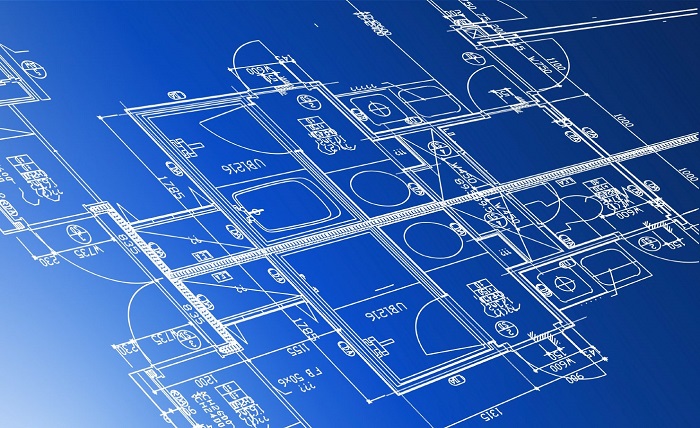
Before an aircraft ever takes shape, it exists as a collection of ideas, models, and digital simulations. The blueprint is more than a technical drawing; it is the physical expression of a vision. It represents collaboration between aerodynamicists, materials scientists, systems engineers, and business strategists.
Each line on that blueprint carries a purpose, each measurement reflecting thousands of hours of design reviews, safety analyses, and performance testing.
Crafting that blueprint is a process of constant refinement. Teams simulate airflow, analyze stress points, and consider manufacturing constraints long before any component is built. It is a dialogue between possibility and limitation, where every compromise must serve a larger goal—efficiency, safety, or sustainability.
The best designs are not only functional; they are forward-thinking. They anticipate future needs and emerging technologies, ensuring that today’s aircraft remain relevant in tomorrow’s skies.
Collaboration That Lifts Ideas Higher
In aerospace, collaboration is not a luxury; it is a necessity. No single organization can master every aspect of such a vast and complex field. This is where specialized experts step in—those who provide critical insights that help organizations make informed, strategic choices. Aerospace consultants often play this role, offering objective analysis, identifying gaps, and translating complex technical data into actionable strategies. Their contribution can mean the difference between a concept that stalls and one that takes flight.
By bringing together diverse perspectives, teams can see challenges from multiple angles. A materials expert might propose a new alloy to reduce weight, while a systems analyst identifies how that change affects thermal behavior or flight stability.
A financial strategist ensures that every design decision aligns with long-term sustainability and cost-effectiveness. This blend of expertise turns theoretical ideas into viable engineering outcomes.
Innovation Through Practical Insight
Aerospace innovation does not always come from dramatic breakthroughs. More often, it arises from incremental improvements guided by deep understanding. Engineers continuously refine designs, seeking small advantages that accumulate into major performance gains.
This process requires both technical mastery and creative flexibility. For instance, adjusting the curvature of a wing might improve lift efficiency, while rethinking fuel management systems could reduce emissions without sacrificing range.
Practical insight ensures that innovation is not just impressive, but applicable. Every solution must withstand rigorous testing and real-world conditions. The industry’s commitment to precision demands that each advancement is thoroughly validated before it ever reaches the sky. Through this disciplined process, aerospace continues to evolve—quietly, methodically, and purposefully.
The Role of Sustainability
Modern aerospace is no longer defined solely by speed and altitude; it is increasingly shaped by responsibility. As awareness of environmental impact grows, the industry faces the challenge of creating cleaner, more efficient technologies. Sustainable design is now a central priority. Reducing carbon emissions, optimizing fuel efficiency, and exploring alternative propulsion systems are at the forefront of development.
The pursuit of sustainability also extends to manufacturing processes and materials. Lightweight composites and recyclable components are being integrated to reduce environmental footprints. The shift toward electric and hybrid propulsion marks a new chapter in aerospace history—one where progress is measured not only in performance, but also in stewardship of the planet.
Adapting to an Expanding Sky
The aerospace industry is expanding beyond the traditional boundaries of Earth’s atmosphere. Commercial spaceflight, satellite deployment, and emerging technologies such as unmanned aerial vehicles are reshaping the definition of flight itself. The sky is no longer the limit; it is the beginning of a broader frontier.
This rapid evolution demands adaptability. New entrants and established organizations alike must respond to changing regulations, market pressures, and technological disruptions. Flexibility and foresight are crucial. Whether developing next-generation aircraft or exploring orbital systems, success depends on the ability to anticipate change and adjust strategies accordingly.
The Human Element Behind Every Flight
Behind every machine that conquers the air is a human story—a network of individuals who dedicate their skills and creativity to the pursuit of flight. Engineers, analysts, and consultants share a common trait: curiosity. It drives them to ask questions, test assumptions, and search for new ways to solve old problems.
This human element is what gives aerospace its soul. The industry thrives not just on precision instruments or advanced software, but on people who imagine beyond the current horizon. Their work reminds us that technology alone cannot shape the future; it must be guided by purpose, discipline, and imagination.
The Future of Boundless Skies
The next era of aerospace will likely be defined by connectivity and autonomy. Artificial intelligence, real-time data systems, and advanced sensors are already transforming how aircraft are designed, operated, and maintained. Automation will enhance safety, reduce costs, and improve efficiency, while digital twins and predictive analytics will allow engineers to foresee issues before they occur.
Yet amid all these technological shifts, the essence of aerospace remains unchanged. It is still about connecting people and ideas across distances. It is about progress that defies gravity—literally and figuratively. The future belongs to those who continue to think boldly, design responsibly, and collaborate openly.
“Blueprints for Boundless Skies” represents more than a metaphor. It is a reminder that progress in aerospace begins with vision and is sustained by precision, collaboration, and courage. Every innovation starts as an idea drawn onto a blueprint, refined by countless hands, and tested against the laws of nature. Those who create these blueprints—engineers, strategists, and consultants—shape the way humanity moves through the skies.
As technology evolves and horizons expand, the principles that built the industry endure: curiosity, discipline, and a relentless pursuit of excellence. The skies are vast, but they are not unreachable. They remain an open canvas for those ready to design, build, and dream without boundaries.